Safety
Garage gym safety: clearances, ratings and the checks worth scheduling
Manufacturer clearances, two different maximum user weight ratings, and a bolt and cable inspection schedule that takes 10 minutes a month.
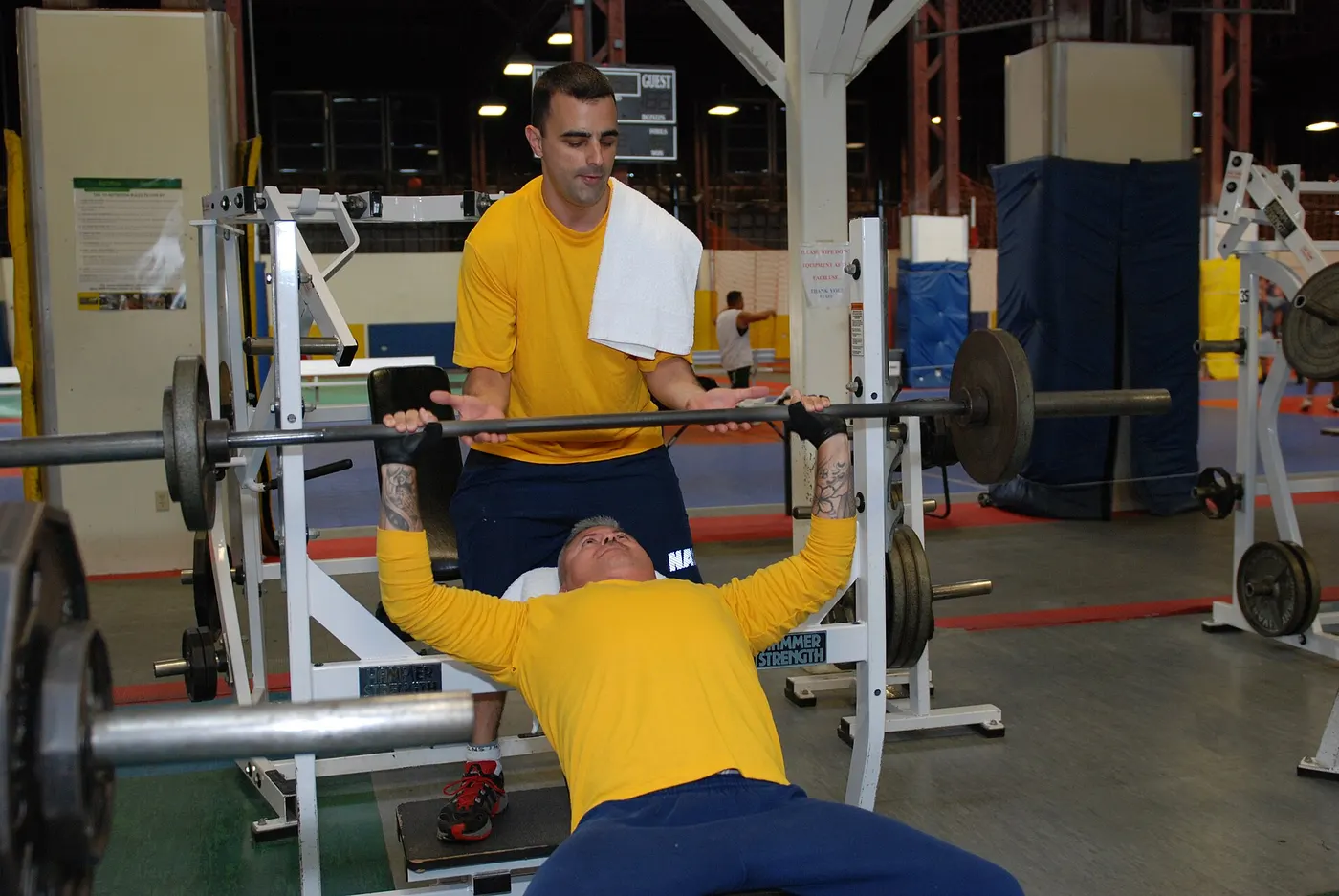
Home gym injuries mostly come from three things: not enough space around the equipment, a load the equipment was never rated for, and a fastener nobody has looked at since assembly day. All three are preventable with a tape measure, a specification sheet and a recurring reminder.
This guide is about those three, in that order. It is not training advice and not a medical document. Where a figure comes from a manufacturer's published specification it is attributed; where it is an assumption used to show a method, it says so.
Clearance is a published number, and it is not the assembled size
Concept2 publishes an assembled size of 244 cm by 61 cm for the RowErg and separately recommends clearance of 274 cm by 122 cm. The difference is 30 cm of length and 61 cm of width, and it is the margin that lets somebody get on, get off and fall off without hitting a wall or a car.
Treat clearance as a floor area you keep empty rather than as a suggestion. In a garage that means marking it out, because the space around a rower is exactly where a bike, a wheelie bin and a box of tiles will otherwise end up over the following 12 months.
For overhead work, measure height from the top of the mat or platform rather than from the slab, and do it standing with a bar at full extension. A 10 mm mat and a 50 mm platform have taken 60 mm off the ceiling before anybody has lifted anything.
| Measurement | Published figure | What it protects |
|---|---|---|
| Assembled footprint | 244 cm by 61 cm | Nothing on its own; it is the object, not the space |
| Recommended clearance | 274 cm by 122 cm | Getting on and off, and a fall to either side |
| Stored size, standard legs | 63.5 cm by 83.8 cm by 137.2 cm | The room's other use between sessions |
| Machine weight | 26 kg standard legs, 31 kg tall legs | Whether one person can move it safely |
These figures are published by Concept2 for the RowErg and are reproduced here to show what a complete specification contains. They are not a recommendation, and we have not tested the machine.
Two maximum user weights, one product
A rating is an answer to a test question, and different tests give different answers. Concept2 lists a maximum user weight of 227 kg as tested by Concept2 and, for the same machine, an alternative European standard rating of 135 kg. Neither figure is wrong. They describe different loading regimes.
The practical consequence is that comparing two products on their headline maximum user weight compares nothing at all unless both quote the same test. When one page says 150 kg and another says 300 kg, the first may be a standards figure and the second a manufacturer figure, and the machines may be equally strong.
Standards Australia develops the Australian Standards that this equipment is tested against and sells them through its Standards Store under 3, 6 and 12 month licences. A seller that gives a standard number has given you something you can look up; a seller offering only an adjective has not.
- Note whether a maximum user weight is a manufacturer test or a standards test before comparing two products
- Add the weight of any loaded bar or plates to body weight when reading a bench or rack rating
- Check whether a rack rating is for static load or for a dropped load; they differ by a wide margin
- Record the rating on a label attached to the equipment, not in an email you will not find
- Treat an unnamed 'commercial grade' claim as carrying no information
A ten minute inspection, on a schedule
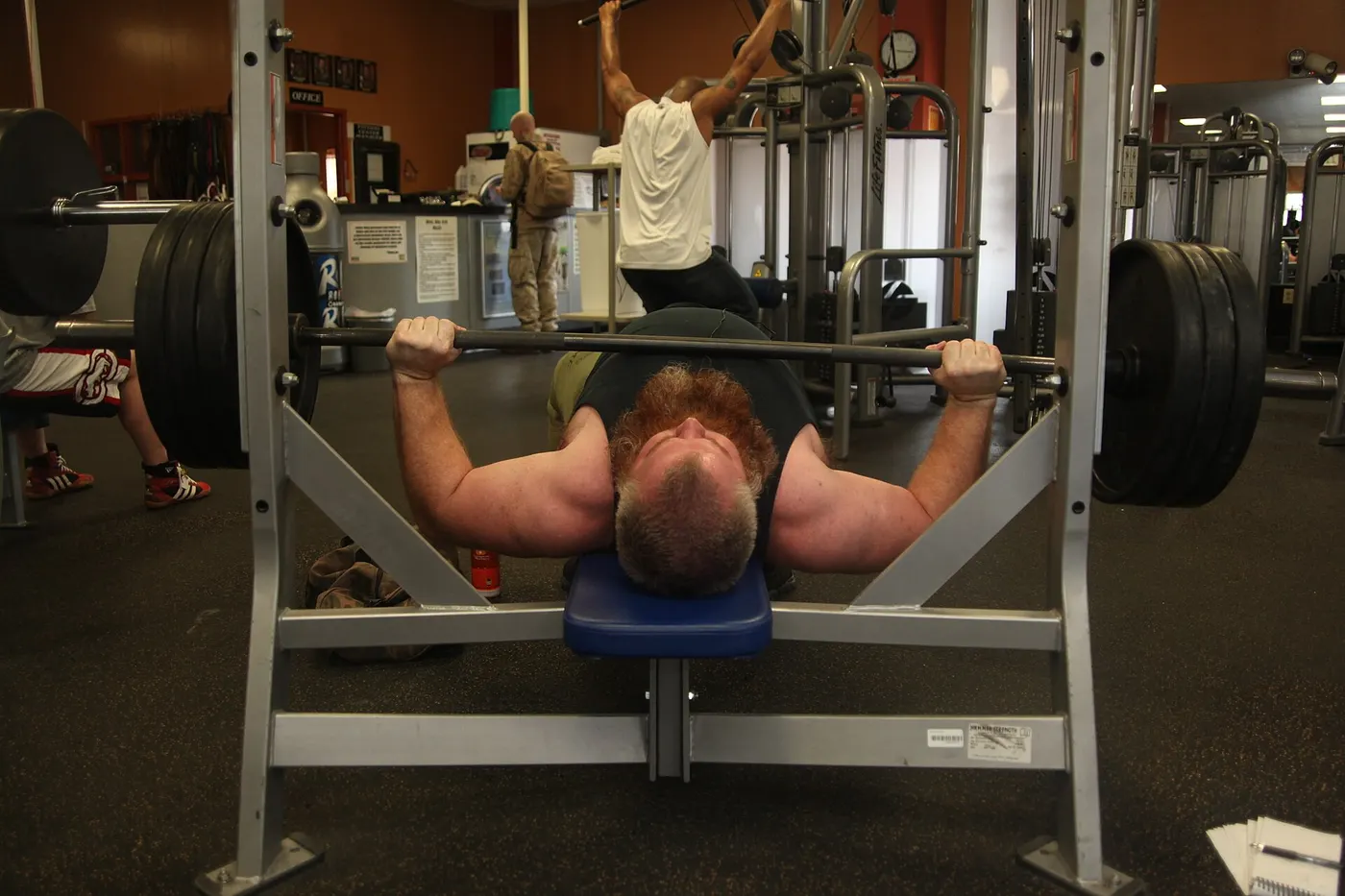
Fasteners loosen under cyclic load. That is not a defect, it is how bolted joints behave, and it is why every assembly manual has a torque check in it that almost nobody repeats. A monthly 10 minutes with the supplied Allen key covers the whole of a typical home setup.
Build the list once and reuse it: rack bolts, bench frame and pad fixings, dumbbell collars and locking mechanisms, cable and chain condition, band surfaces for cracking, and the floor under everything for movement. On a rower or a bike, add the seat rollers and the chain or belt.
Bands are the one component that fails without warning and the one that costs least to replace. An example $40 set replaced every 12 to 24 months is $20 to $40 a year, which is less than the cost of the session during which one lets go.
| Component | Check | Interval |
|---|---|---|
| Rack and bench bolts | Torque with the supplied key; look for witness marks | Every month |
| Dumbbell collars and selectors | Lock, lift, shake; listen for movement | Every session |
| Cables, chains and belts | Fraying, stretch, kinks, rust | Every month |
| Resistance bands | Cracking, thinning, nicks at the anchor | Every month, replace every 12 to 24 months |
| Flooring and feet | Movement, lifted edges, loose tiles | Every month |
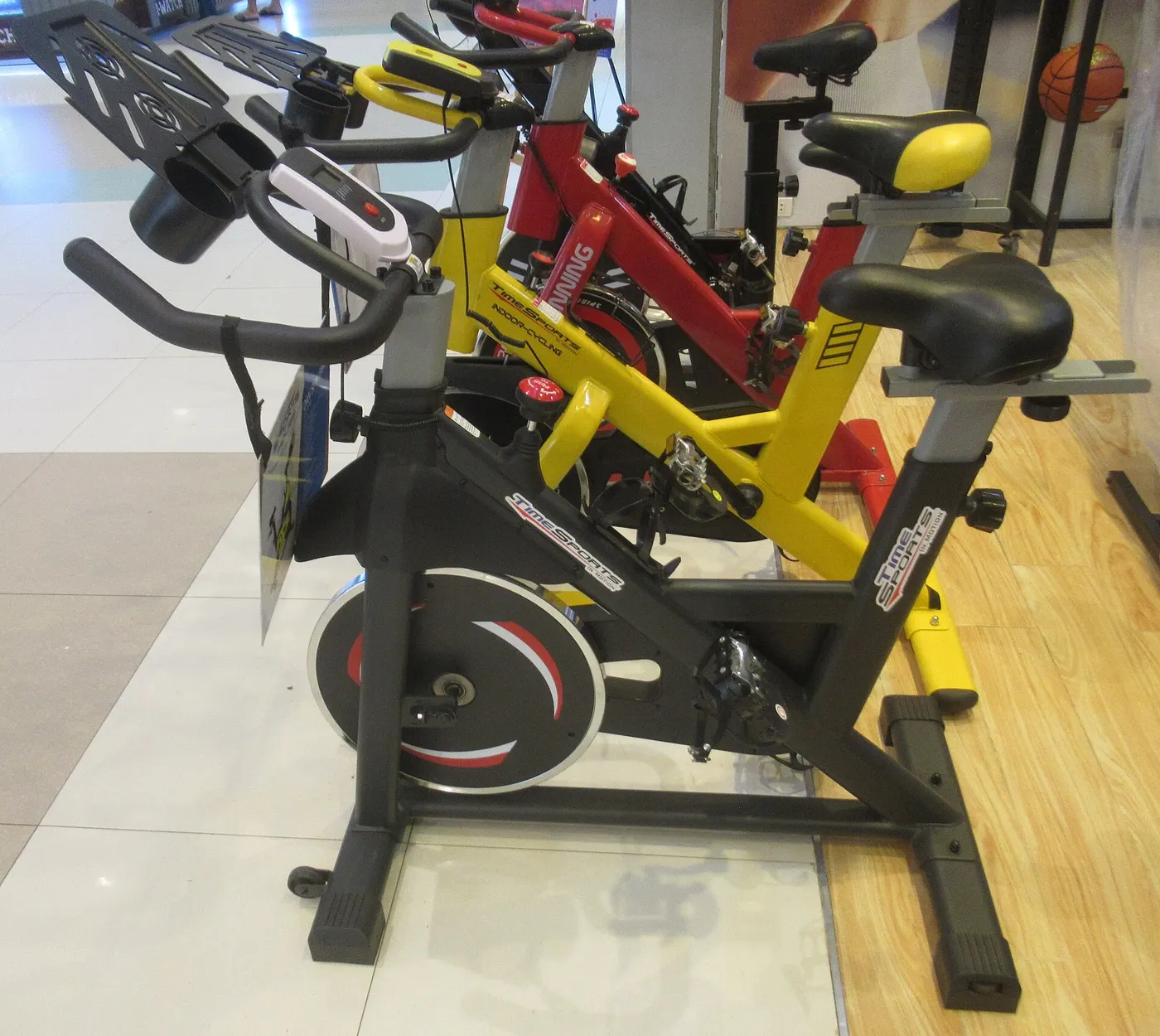
| Electrics on a bike or treadmill | Cord damage, plug heat, stable power board | Every 3 months |
Intervals here are a schedule you can adopt, not a regulated requirement. The point is that they are written down and recurring; an inspection that depends on remembering is not an inspection.
When something fails: warranty terms and the guarantees underneath them
Manufacturer warranties on this equipment are usually split, with a shorter term on moving parts and a longer one on the frame. Concept2 lists limited 2 year and 5 year cover on the RowErg, which is the pattern to expect. The component that fails is almost always in the shorter term.
Underneath any warranty sit the consumer guarantees in the Australian Consumer Law, which a seller cannot contract out of. The Australian Consumer Law site states that these rules protect buyers anywhere in Australia and apply uniformly across every state and territory. For a safety-relevant failure the guarantee that goods be of acceptable quality and safe is the one that matters, and it does not expire on the warranty's end date.
Stop using equipment with a cracked weld, a bent upright or a failed locking mechanism immediately, and photograph it before moving it. A claim is far easier to make from a photograph taken on the day than from a repaired joint three weeks later.
Before you buy
- Mark out the manufacturer's recommended clearance on the floor and keep it empty
- Measure ceiling height from the top of the mat or platform, with a bar at full lockout
- Record whether each maximum user weight rating is a manufacturer test or a standards test
- Set a recurring monthly reminder for the 10 minute bolt, cable and band inspection
- Replace resistance bands on condition, and in any case every 12 to 24 months
- Photograph any failure on the day it happens, before moving or repairing the equipment
- Keep the receipt, serial number and assembly manual together for warranty and guarantee claims
Questions readers ask
- Do I need a spotter or safety arms for a home bench press?
- Safety arms set below the chest height of the bar do the job a spotter does, and they are present every session. A rack with adjustable safeties turns a failed rep into a loud noise rather than a trapped lifter. Training alone with a loaded bar over the chest and no arms set is the one arrangement with no margin at all.
- Is a concrete garage slab strong enough for a rack and plates?
- A typical domestic slab carries a rack, a bar and plates without difficulty; the issue is the surface, not the structure. Dropped plates chip concrete and the chips become trip hazards. Rubber tiles 15 to 20 mm thick over the lifting area address both. A suspended timber floor is a different question and is about deflection as well as load.
- How much ceiling height does overhead pressing need?
- Measure it rather than estimating: stand on the platform or mat you will use, hold a bar at full lockout, and add 150 mm. Garages with exposed joists and roller door tracks often lose 200 to 300 mm in exactly the place you lift, so measure under the obstruction and not in the middle of the room.
- How often should resistance bands be replaced?
- On condition first and on the calendar second. Replace immediately for any nick, crack or thinning near an anchor point, and on a 12 to 24 month cycle otherwise. Latex degrades with ultraviolet light and heat, so a band stored on a garage hook in direct sun reaches the lower end of that range.
- Does equipment in a garage need any electrical precaution?
- Garages are damp and dusty, which is hard on cords and plugs. Keep treadmill and bike cords off the floor, use a single power board rated above the total draw of what is plugged into it, and include cord and plug condition in the 3 monthly check in the table above. A warm plug body is a reason to stop using that outlet.
Sources
- Concept2 — RowErg published specifications (assembled 244 cm by 61 cm; recommended clearance 274 cm by 122 cm; 26 kg and 31 kg; maximum user weight 227 kg as tested by Concept2 and 135 kg to the European standard; limited 2 year and 5 year warranty) — checked 2026-11-03
- Standards Australia — how Australian Standards are developed, purchased and licensed — checked 2026-11-03
- Australian Consumer Law — consumer rights and protections overview (rules apply uniformly across every state and territory) — checked 2026-11-03
Some links on this site can earn us a commission. That does not change which product a guide recommends, and it adds nothing to your price. Advertising is not enabled on this site yet. When it is, ads will be labelled and kept visually separate from the guides.